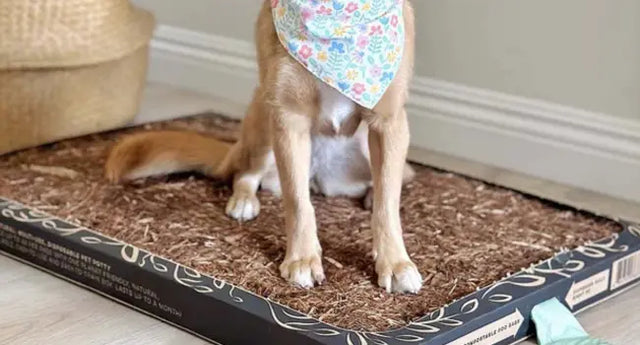
How to Set Up a Balcony Dog Potty
Saturday, October 24, 2026 05:30:00 AM America/Los_Angeles
If you live in a high-rise or an apartment without a yard, every potty break can mean a leash, shoes, an elevator and a walk to the nearest patch of grass. That works when you have the time. It is much harder at 6 a.m., during a thunderstorm, or when you have a puppy who needs to go every couple of hours.
A balcony dog potty gives your pup a dedicated outdoor spot just a few steps from the living room. Your dog still gets fresh air and an outdoor feel, and you get a reliable option for early mornings, late nights and busy workdays. For many city pet parents, the balcony becomes the main potty spot during the week, with longer walks saved for exercise and play.
The difference between a balcony potty that works and one that becomes a smelly, soggy problem comes down to setup. Where you put it, how it handles liquid, and how it holds up to sun, rain and wind all matter. Get those right and the balcony becomes one of the easiest parts of your dog's routine.
The short answer
Put the potty in a quiet, shaded corner against the wall, away from the railing, on a sealed base that keeps every drop off the floor and the unit below. Cover it from rain, pick up waste daily, and walk your dog to it at the usual potty times with a cue word and a treat until they head out on their own.
What you need to set up a balcony dog potty
Four things before day one
-
A potty with a sealed baseHolds all liquid, so nothing drips onto the balcony floor or the unit below.
-
Pet-safe mesh for wide railing gapsAdd it before your dog spends time out on the balcony.
-
A small waterproof coverKeeps the surface dry in rain and snow without blocking your dog's way in.
-
Training treats & one cue wordReward your dog the moment they go on the new spot.
Place the balcony dog potty away from the railing
A safe, quiet corner against the wall
Start with safety. Place the potty against a solid wall or the building side of the balcony, never right next to the railing. Even calm dogs can get curious, and you do not want furniture, planters or the potty itself giving your pup a step up toward the edge. If your railing has wide gaps, add a pet-safe mesh or screen before your dog spends time out there.
Next, think about traffic and privacy. Dogs prefer to go somewhere quiet, so choose a corner rather than the middle of the walkway to your door. Keep the potty away from where you sit, eat or grill, and give your dog enough room around it to turn and sniff comfortably.
Shade matters more than most people expect. Balcony floors can get very hot in direct afternoon sun, and a dog who burns their paws on the way to the potty may start avoiding it. A shaded corner, an awning, or a covered section of the balcony keeps the spot comfortable all year.
Size the dog potty for your dog & the path from the door
Room to turn, squat & get there easily
Size the potty to your dog, not to the space you have left over. Your dog should be able to step fully onto the surface, turn around and squat without hanging off the edge. Small breeds are usually comfortable on a standard-size potty, while medium and large dogs, or homes with more than one dog, do better with a larger surface.
Think about the path from your door as well. Older dogs and young puppies may struggle with a raised door threshold or a slippery balcony floor, so a small ramp or a non-slip mat between the door and the potty can make the trip easier and keep your dog confident about heading out on their own.
Choose a sealed-base balcony potty for drainage
Keep every drop off the floor below
Drainage is the part of a balcony potty that causes the most trouble. Many grass and turf setups are designed to let urine run through the surface and out the bottom, which works in a backyard but not when there is a neighbor's patio below you. Liquid that drips off the edge, pools on the floor, or runs toward the balcony drain is a quick way to create odor and complaints.
Look for a setup with a sealed base that keeps all liquid contained. Turf systems with a collection tray need to be emptied and rinsed regularly, which means carrying a tray of urine through your apartment to the sink or tub. Real grass patches can soak through and get heavy, and they often need to be replaced every week or two as they brown.
Whatever you choose, place it on a flat surface and check underneath after the first few days of use. A dry floor under the potty means your setup is doing its job.

Weatherproof the balcony potty for rain, sun & snow
Ready for rain, sun, wind & snow
A balcony potty lives outside, so plan for every season. Rain is the most common problem. If your balcony is uncovered, heavy rain can soak the surface, and a wet surface is one your dog may refuse to use. A small waterproof cover over the potty keeps it dry without blocking your dog's access. Bark Potty makes a Rain/Snow Tent sized for this, in Large (30 x 30 x 30 inches) and XL (57 x 43 x 43 inches).
Summer brings two challenges: heat and bugs. Pick a shaded spot or add a cover so the surface does not get too hot for paws. Grass patches and other organic materials can attract flies and gnats in warm weather, which is unpleasant on a small balcony right next to your living room. A bark surface stays pest-free, which is one reason many balcony owners switch to it.
Wind is easy to overlook on higher floors. A light pad or mat can shift or flip in a strong gust, so choose something with enough weight and structure to stay put, or tuck it into a sheltered corner. In winter, clear snow from the path between your door and the potty, and keep the route free of ice so your dog can get there safely.
Train your dog to use the balcony potty
Same routine, new spot
Training a dog to use a balcony potty follows the same steps as any potty training. Take your dog to the spot at the usual times: after waking, after meals, after play and before bed. Use your normal cue word, and reward them with a small treat and plenty of praise the moment they go.
- Days 1 to 2: walk your dog to the balcony potty on leash at every regular potty time, and reward the first use
- Week 1: keep the schedule steady and stay with your dog while they go
- Week 2 and on: open the balcony door at potty times and let your dog head out on their own
If your dog is used to going on grass, mulch or wood chips outside, a natural surface helps the balcony feel like a familiar outdoor spot instead of something new. Many dogs recognize bark right away and use it from the first day.
If your dog hesitates, look at the setup before you look at the training. A potty that is wet on top, too hot in the sun, too close to a noisy street, or too small for your dog to turn around on will put a lot of dogs off. Fix the spot first, then go back to short, rewarded trips at the usual times. Some dogs also wait until they are sure nobody is watching, so step just inside the door and give them a little privacy once they know the routine.
Keep the balcony dog potty fresh
Fresh without the chores
A balcony potty should not become another chore. With turf, plan on rinsing the surface and emptying the tray often, especially in summer. With real grass, expect to replace the patch whenever it browns or starts to smell. With a disposable bark tray, you simply pick up the whole unit when you are ready for a fresh one, toss it, and set down a new one.
Pick up solid waste daily no matter which surface you use. It keeps the area cleaner, reduces odor for you and your neighbors, and keeps your dog happy to use the spot.
Set a simple reminder for replacements so you are never caught without a fresh potty. A subscription that ships on your schedule takes that job off your list entirely, and you can pause, skip or change the frequency any time.
Balcony dog potty setup checklist
Five checks before you call it done
Before you call your setup finished, run through a quick checklist:
- The potty sits against a wall, away from the railing and anything your dog could climb
- It is shaded in the afternoon or covered from rain
- The base is sealed and the floor underneath stays dry
- It is big enough for your dog to turn around comfortably
- You have a plan for picking up waste daily and replacing or cleaning the surface
Set up thoughtfully, a balcony dog potty gives your pup a safe outdoor spot right outside your door and gives you back the time you used to spend riding the elevator.
Balcony dog potty questions
Quick answers before you start
Can Dogs Use a Potty on a Balcony?
Yes. Dogs learn to use a balcony potty the same way they learn any potty spot: a consistent location, a regular schedule, a cue word and a reward each time they go. Keep the potty away from the railing and in a quiet, shaded corner.
How Do You Keep a Balcony Dog Potty from Smelling?
Pick up solid waste every day, choose a surface that drains away from the top, and replace or clean it on a regular schedule. A sealed tray keeps urine contained instead of pooling on the balcony floor.
Will a Balcony Dog Potty Leak Onto the Unit Below?
It can if it drains out the bottom. Choose a setup with a sealed base that holds all liquid, place it on a flat surface, and check the floor underneath after the first few days.
What Should You Do with a Balcony Dog Potty When It Rains?
Cover it with a small waterproof tent so the surface stays dry, or move it a few feet indoors for the day. Your dog already knows the potty, so moving it briefly will not undo their training.
Dog potty setup articles
More from the Bark Potty blog